
Starting a healthier diet can feel overwhelming—especially when social media is filled with strict rules, food bans, and “all-or-nothing” challenges. Many beginners believe they must completely overhaul their eating habits overnight to see results. In reality, sustainable progress comes from small, consistent improvements, not extreme restriction.
If you’re new to training or trying to lose fat and gain strength, here’s how to improve your diet without cutting everything you enjoy.
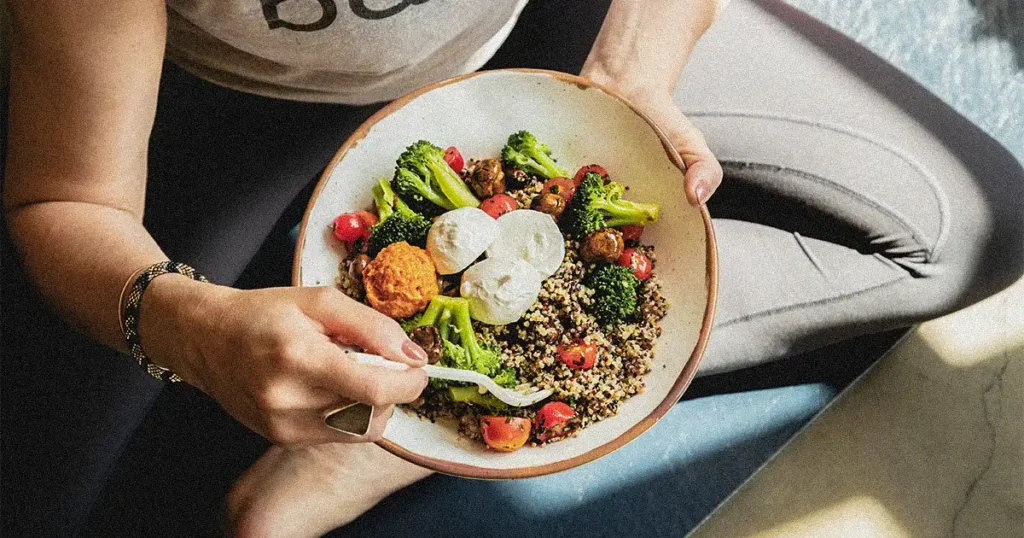
Why Extreme Diets Don’t Work for Beginners
Extreme diets may lead to quick results on the scale, but they often come with problems:
- Low energy and poor workout performance
- Increased cravings and binge eating
- Difficulty maintaining results long term
For beginners, the goal isn’t perfection — it’s building habits you can maintain alongside training, work, and daily life.

Step 1:
Focus on Adding, Not Removing
Instead of asking “What should I stop eating?”, start with:
“What can I add to improve my meals?”
Simple upgrades include:
- Adding a protein source to each meal
- Including vegetables or fruit daily
- Drinking more water consistently
These changes alone can significantly improve nutrition quality without feeling restrictive.
Step 2:
Prioritize Protein at Every Meal
Protein plays a key role in:
- Muscle growth and recovery
- Fat loss support
- Feeling full and satisfied
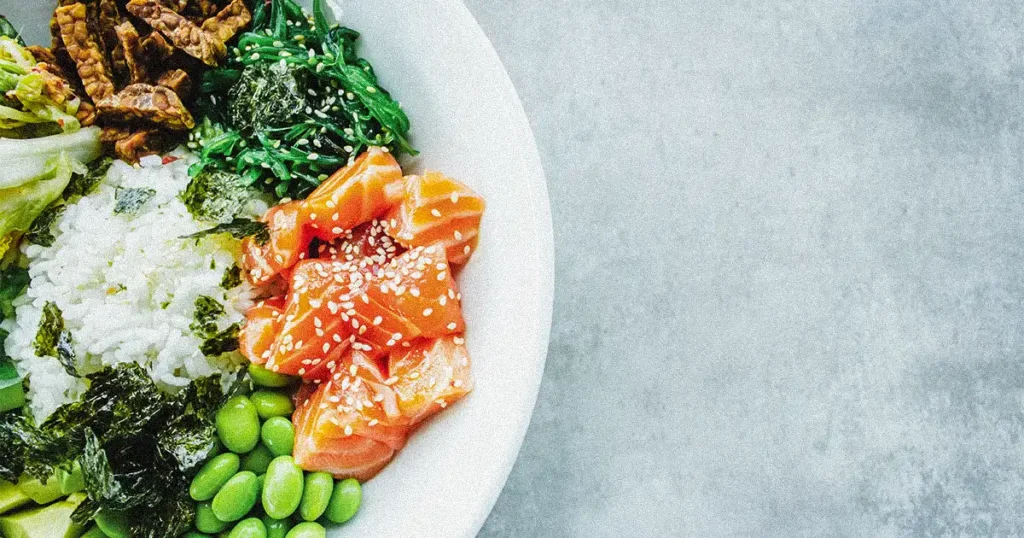
Beginner-friendly protein options:
- Eggs, chicken, fish
- Tofu, beans
- Greek yogurt or milk
You don’t need supplements to start — whole foods work perfectly well.
Step 3:
Build Regular Meal Timing
Skipping meals often leads to low energy and overeating later. A simple structure like:
- 2–3 main meals
- 1–2 small snacks if needed
can help stabilize energy levels and support training performance.
Consistency matters more than “perfect” meal timing.
Step 4:
Avoid Labeling Foods as “Good” or “Bad”
Rigid food rules often create guilt and stress. Instead:
- View food as fuel and enjoyment
- Allow flexibility for social meals
- Focus on weekly consistency, not daily perfection
A diet that includes flexibility is far more sustainable than one built on restriction.
Step 5:
Match Nutrition to Your Training Goals
If you’re strength training:
- Eating too little can slow progress
- Poor nutrition can increase fatigue and injury risk
Your diet should support training, not fight against it.

Final Thoughts
Improving your diet doesn’t require extreme changes. By focusing on:
- Balanced nutrition intake
- Meal consistency
- Simple, realistic habits
you create a strong foundation for long-term progress.
Sustainable results come from habits you can maintain — not rules you can’t follow.