
Joint pain, stiffness, and degeneration are common concerns as we age. Many people assume that lifting weights or resistance training will worsen joint problems. In reality, properly structured strength training is one of the most effective ways to protect your joints and maintain long-term mobility.
Research consistently shows that strengthening the muscles around your joints reduces stress on the joint surfaces, improves stability, and can decrease pain — even in individuals with osteoarthritis.
Let’s break down exactly how it works.
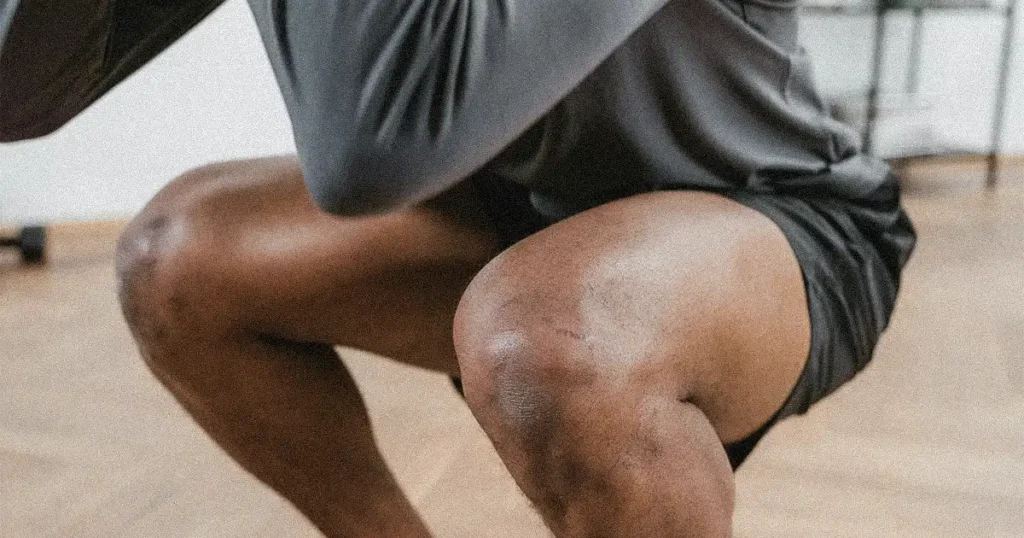
Stronger Muscles Reduce Joint Stress
Your joints do not function in isolation. They rely heavily on surrounding muscles, tendons, and connective tissue for support and control.
When muscles are weak:
- More force is transferred directly into joint cartilage
- Movement becomes less controlled
- Joint surfaces experience uneven loading
Strength training increases muscular strength and endurance, allowing muscles to absorb more force during movement. This reduces compressive stress on joint structures, particularly in weight-bearing joints such as the knees and hips.
For example, stronger quadriceps muscles help stabilize the knee joint and reduce load on the cartilage — a key factor in managing and preventing knee pain.
Strength Training Reduces Pain in Osteoarthritis
Osteoarthritis is often described as “wear and tear” of joint cartilage. While cartilage degeneration cannot be fully reversed, symptoms can be significantly improved through resistance training.
Multiple systematic reviews have found that progressive resistance training:
- Improves muscle strength
- Reduces joint pain
- Enhances physical function
- Decreases stiffness
Importantly, research shows that both low-load and moderate-load resistance training are effective. Extremely heavy lifting is not necessary to achieve benefits.
This means strength training is accessible and safe for beginners, older adults, and individuals with joint concerns — when properly programmed.

Improved Joint Stability and Control
Joint protection is not just about strength — it’s about control.
Strength training enhances neuromuscular coordination, which improves:
- Movement efficiency
- Balance
- Proprioception (your awareness of joint position)
- Reaction time
Improved control reduces unnecessary joint strain and lowers the risk of sudden injuries, falls, or awkward movements that may damage joint tissues.
This is especially important for older adults, where improved balance significantly reduces fall risk.

Long-Term Reduction in Joint Pain Risk
Large observational studies suggest that adults who engage in regular strength training have lower rates of knee pain and osteoarthritis symptoms later in life.
In other words, strength training is not just rehabilitation — it is prevention.
Building and maintaining muscle mass over time helps offset age-related muscle loss (sarcopenia), which is closely linked to joint instability and degeneration.
Strength Training Supports Cartilage Health
Cartilage does not have its own blood supply. It relies on joint movement to receive nutrients through synovial fluid circulation.
Controlled resistance training:
- Promotes healthy joint loading
- Encourages synovial fluid movement
- Maintains joint mobility
Contrary to common myths, appropriately loaded movement is beneficial for joint tissues. Prolonged inactivity is often more harmful than structured strength training.

How to Strength Train for Joint Protection
To maximize benefits while minimizing risk, follow these evidence-based principles:
Start with controlled, low-to-moderate resistance
Bodyweight exercises, resistance bands, or light dumbbells are effective starting points.
Use slow, controlled tempo
Avoid fast, jerky movements. Controlled repetitions improve muscle engagement and joint stability.
Train 2–3 times per week
Consistency is more important than intensity.
Focus on major muscle groups
Prioritize exercises for:
- Quadriceps and hamstrings (knee support)
- Glutes (hip stability)
- Core muscles (spinal support)
- Upper back (shoulder health)
Progress gradually
Increase resistance slowly over time. Sudden spikes in training load increase injury risk.

Final Thoughts
Strength training does not damage healthy joints when performed correctly. In fact, research strongly supports it as one of the most effective strategies for:
- Reducing joint pain
- Improving stability
- Supporting cartilage health
- Preventing future joint degeneration
- Maintaining long-term independence
Whether you are a beginner, an older adult, or someone managing early joint discomfort, properly programmed resistance training can be a powerful tool for joint protection.
If you are unsure where to start, professional guidance ensures proper technique, progression, and safety — helping you protect your joints while building strength confidently.