
Starting an exercise routine after the age of 60 can feel intimidating. You may worry about injuries, joint pain, or whether it’s too late to make meaningful improvements. Many people in this stage of life have not exercised regularly for years, and stepping into a gym or beginning a new routine can feel overwhelming.
The good news is this: it is never too late to start exercising, and the human body is remarkably adaptable at any age. With the right approach, exercise can improve strength, balance, energy levels, and overall quality of life—even if you are starting from zero.
This guide will help you understand how to begin safely, what to focus on, and how to build a routine that supports long-term health and independence.
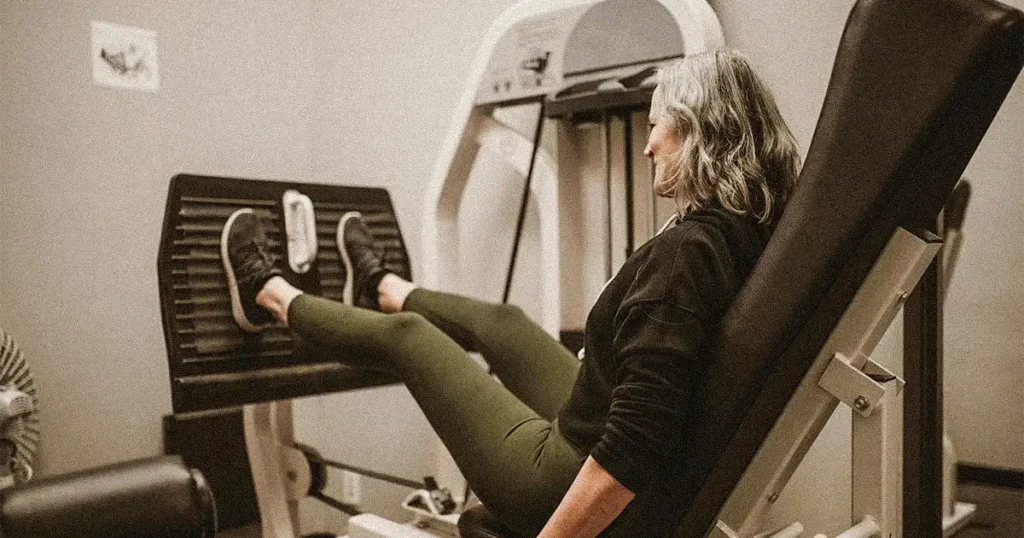
Why Exercise Becomes More Important After 60
As we age, the body naturally goes through several changes:
- Muscle mass gradually decreases
- Bone density may decline
- Balance and coordination can worsen
- Joint stiffness becomes more common
- Recovery may take longer
These changes are normal, but they are not entirely unavoidable. Regular exercise is one of the most effective ways to slow down or even reverse many of these age-related declines.
Consistent physical activity can help:
- Maintain or rebuild muscle strength
- Improve balance and reduce fall risk
- Support joint mobility
- Enhance heart and lung health
- Increase energy and mood
- Maintain independence in daily life
Even small amounts of regular exercise can make everyday tasks like walking, climbing stairs, or carrying groceries feel easier.
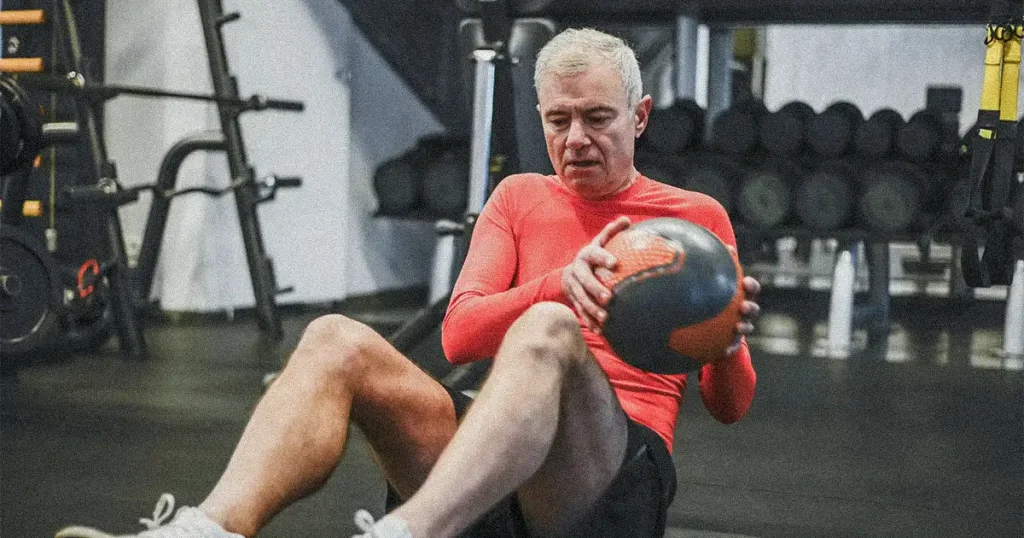
The Most Important Principle: Start Slow and Stay Consistent
One of the biggest mistakes people make when starting exercise after 60 is doing too much, too soon. This often leads to excessive soreness, fatigue, or minor injuries, which can discourage further activity.
Instead, focus on:
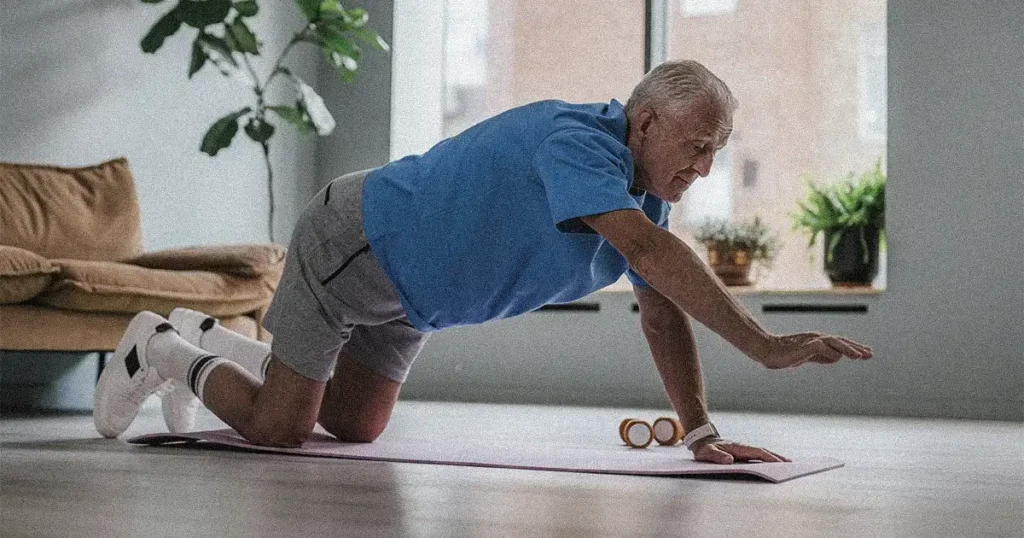
- Gentle, controlled movements
- Gradual progression
- Consistency over intensity
You do not need long or intense workouts to see benefits. A simple, structured routine performed regularly is far more effective than occasional hard sessions.
The Three Key Components of a Safe Exercise Program
A well-rounded program for adults over 60 should include three main elements:
1. Strength Training
Strength training helps maintain muscle, protect joints, and support daily movement.
Benefits include:
- Easier standing, walking, and climbing stairs
- Reduced joint strain
- Better balance and stability
- Lower risk of falls
Beginner-friendly strength exercises:
- Sit-to-stand from a chair
- Wall-supported push-ups
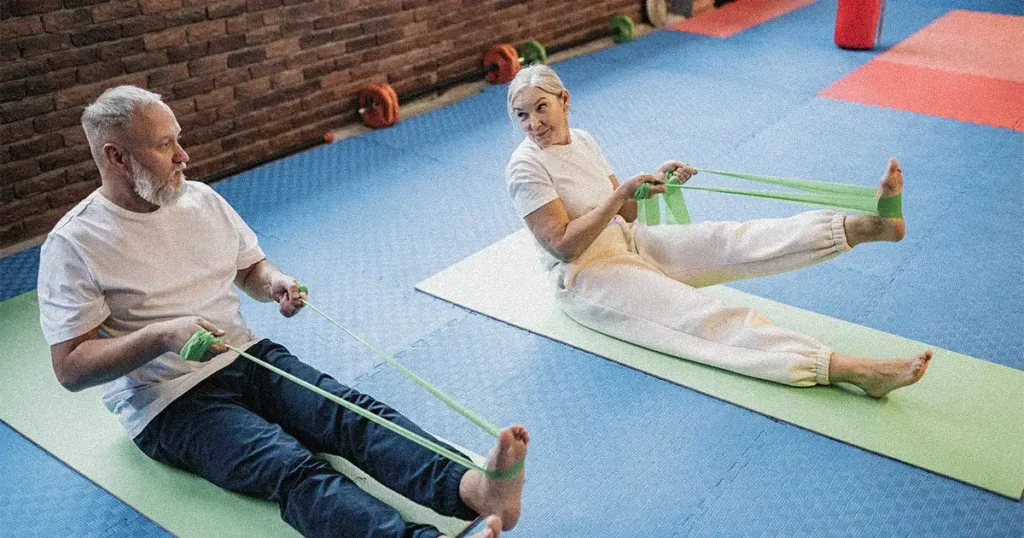
- Light resistance band rows
- Step-ups onto a low platform
- Light dumbbell or band exercises
2. Balance Training
Balance tends to decline with age, which increases fall risk. Simple balance exercises can greatly improve stability.
Examples:
- Standing on one foot while holding support
- Heel-to-toe walking
- Gentle weight-shifting exercises
- Supported single-leg stands
Even a few minutes of balance work per session can make a difference.
3. Light Cardiovascular Activity
Cardio supports heart health, endurance, and energy levels.
Safe options include:
- Walking at a comfortable pace
- Stationary cycling
- Swimming or water exercise
- Low-impact aerobic classes
Start with short sessions and gradually increase duration.
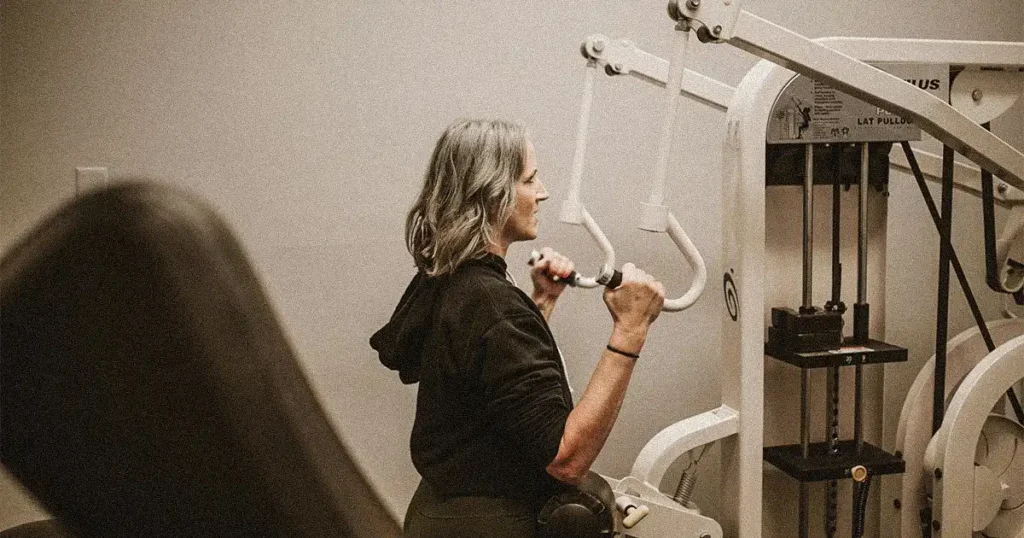
How Often Should You Exercise?
For most beginners over 60, the ideal starting frequency is:
- 2 to 3 sessions per week
- 30 to 60 minutes per session
- At least one rest day between sessions
This schedule allows the body enough time to recover and adapt.
On non-training days, light activity such as walking or gentle stretching is encouraged.
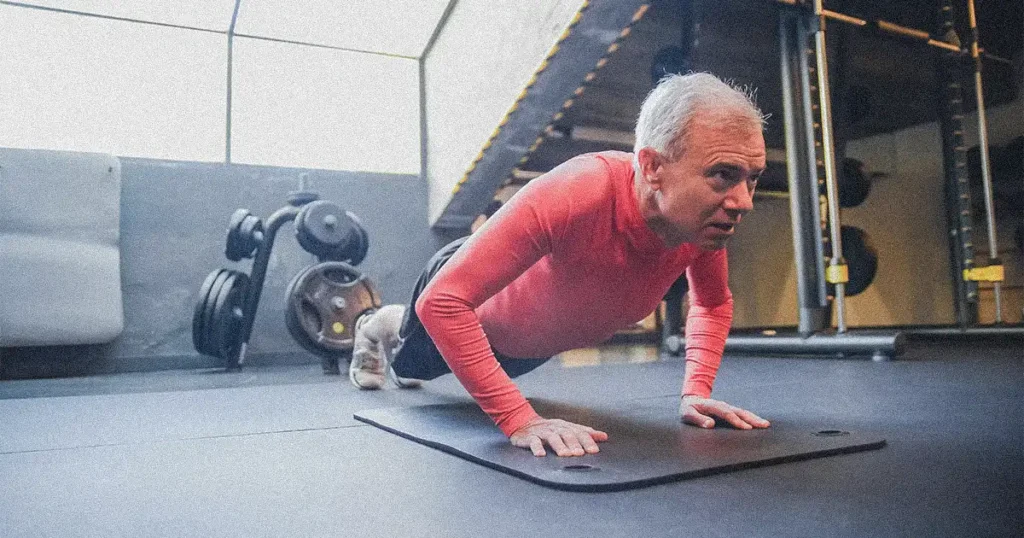
How to Know If You’re Exercising at the Right Intensity
Exercise should feel moderately challenging but manageable.
A simple guideline:
- You should be able to talk, but not sing, during activity
- You should feel slightly tired after the session, not exhausted
- Mild soreness the next day is normal
- Pain or extreme fatigue is not
Signs You Should Slow Down or Adjust
Pay attention to these warning signs:
- Sharp or sudden pain
- Swelling in joints
- Dizziness or nausea
- Excessive fatigue that lasts several days
- Difficulty recovering between sessions
If you experience these, reduce intensity or seek professional guidance.
The Role of Proper Nutrition and Hydration
Exercise works best when supported by good nutrition. Older adults often eat less protein than needed, which can accelerate muscle loss.
Focus on:
- Including protein at each meal (eggs, fish, tofu, dairy, lean meats)
- Eating regular, balanced meals
- Drinking enough water throughout the day
Good nutrition supports recovery, energy, and muscle maintenance.
Why Guidance Can Make a Big Difference
Starting exercise alone can be confusing, especially if you’re unsure about technique or how much is appropriate.
Professional guidance provides:
- A safe, structured program
- Proper exercise technique
- Gradual progression
- Confidence and accountability
Whether in person or online, having a clear plan removes uncertainty and helps you stay consistent.
Final Thoughts
Starting exercise after 60 is one of the most powerful steps you can take for your health. You don’t need to train intensely or spend hours in the gym. A simple, well-structured routine performed two to three times per week can lead to significant improvements in strength, balance, and daily comfort.
It’s never too late to begin. With the right approach, you can build strength, move more confidently, and maintain your independence for years to come.