
As we grow older, many people focus on maintaining general health, managing joint discomfort, or preventing falls. However, one of the most overlooked yet critical factors for healthy aging is leg strength.
Strong legs are not just important for exercise performance — they play a vital role in daily independence, balance, mobility, and overall quality of life. Research consistently shows that maintaining lower-body strength can significantly reduce fall risk, preserve functional ability, and support long-term health.
Let’s explore why leg strength matters so much as we age and how to maintain it safely.
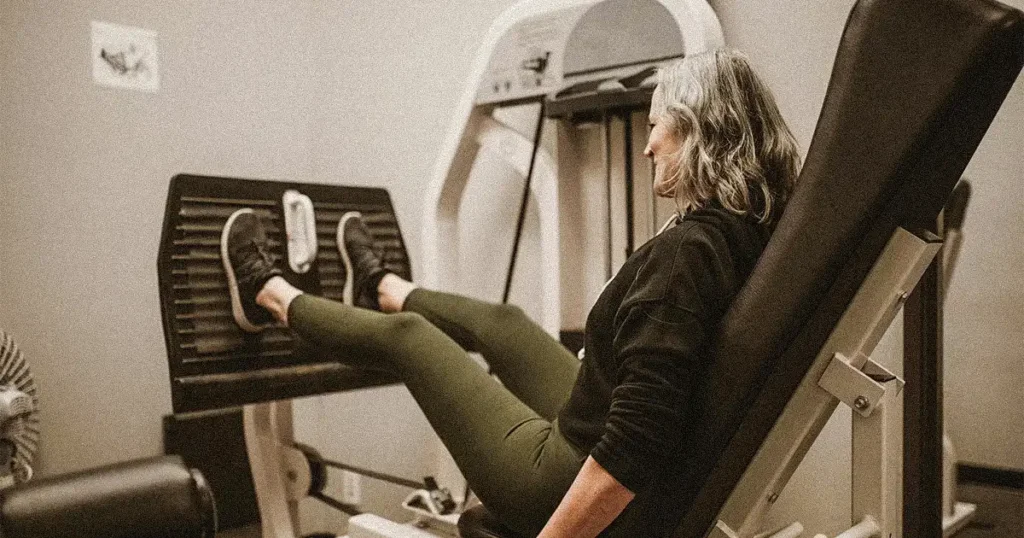
Leg Strength Supports Daily Independence
Simple daily tasks rely heavily on lower-body strength, including:
- Standing up from a chair
- Walking and climbing stairs
- Carrying groceries
- Getting in and out of a car
- Maintaining posture while standing
With age, natural muscle loss (known as sarcopenia) can make these tasks increasingly difficult. Studies show that reduced leg strength is strongly associated with loss of functional independence in older adults.
Maintaining strength in the quadriceps, hamstrings, and glutes helps preserve the ability to perform daily movements confidently and safely.

Strong Legs Reduce Fall Risk
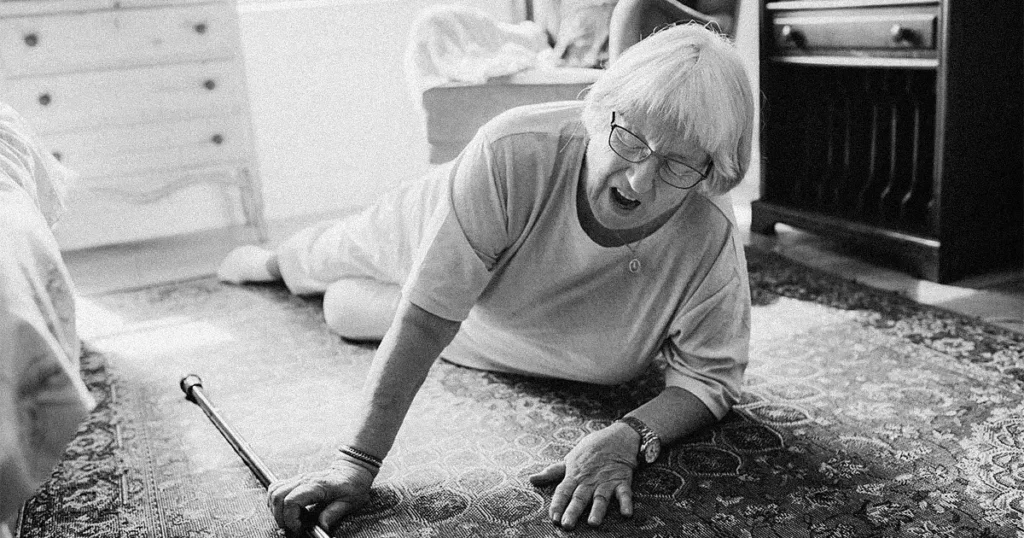
Falls are one of the leading causes of injury and loss of independence among older adults. Lower-body weakness contributes significantly to balance issues and instability.
Research indicates that strength and balance training can reduce fall risk by improving muscle power, reaction time, and postural control. Stronger leg muscles provide better shock absorption and improve the ability to recover from trips or slips.
This is particularly important because even minor falls can lead to fractures, fear of movement, and decreased activity levels.
Leg Strength Protects Joint Health
Weak muscles place greater stress on joints, especially the knees and hips. When muscles cannot adequately absorb force, joint cartilage and connective tissues bear more load.
Strengthening the muscles surrounding joints:
- Improves joint stability
- Reduces joint pain
- Enhances movement control
- Supports cartilage health
Evidence suggests that strength training is an effective non-pharmacological strategy for managing knee osteoarthritis symptoms and improving function.

Lower-Body Strength Supports Bone Health
Weight-bearing and resistance exercises stimulate bone remodeling and help maintain bone density.
This is especially important for aging adults, as reduced bone density increases fracture risk. Research shows that progressive resistance training can help maintain or improve bone strength, particularly in the hips and spine.
Strong muscles also reduce impact forces during falls, providing an additional protective effect.
Leg Strength Improves Metabolic and Cardiovascular Health
Large lower-body muscles play a major role in glucose regulation, metabolic health, and energy expenditure.
Maintaining muscle mass through strength training can:
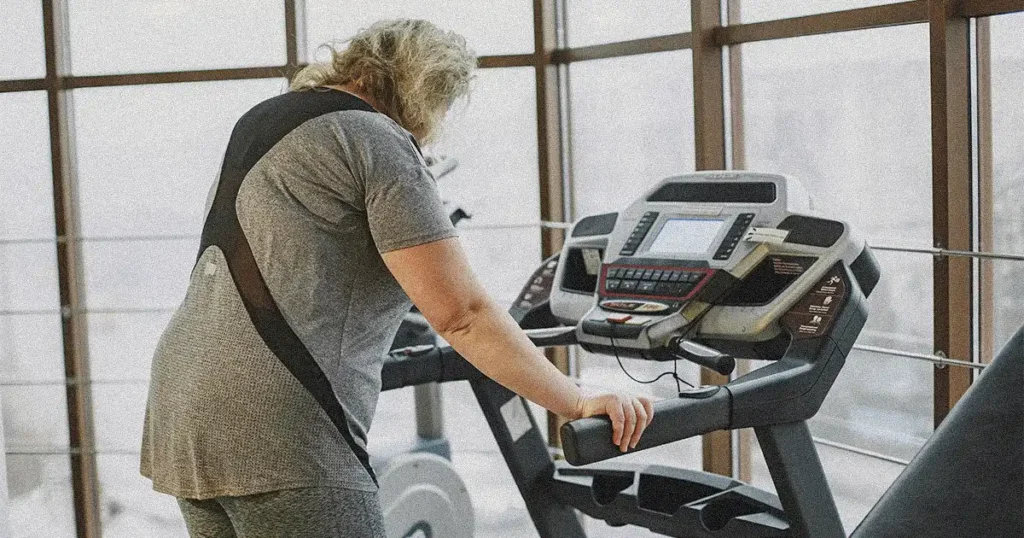
- Enhance cardiovascular fitness
- Support weight management
- Increase overall physical activity capacity
- Improve insulin sensitivity
This highlights that leg strength contributes not only to mobility but also to broader health outcomes.
How to Maintain Leg Strength Safely as You Age
1. Prioritize Functional Movements
Exercises that mimic daily activities are highly beneficial:
- Sit-to-stand from a chair
- Step-ups
- Supported squats
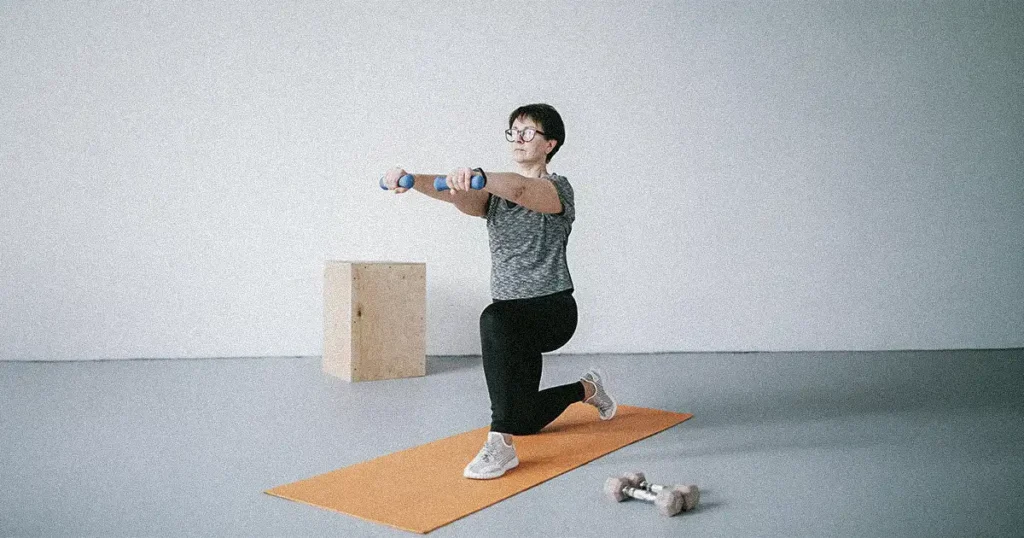
- Lunges (modified if needed)
These movements directly improve real-life strength and confidence.
2. Train 2–3 Times Per Week
Consistent strength training is more important than intensity. Moderate resistance performed regularly produces significant benefits.
3. Combine Strength with Balance Training
Adding balance exercises enhances fall prevention and movement confidence.
Examples:
- Supported single-leg stands
- Heel-to-toe walking
- Gentle weight shifting
4. Progress Gradually
Start with bodyweight or light resistance and slowly increase difficulty. Gradual progression reduces injury risk while promoting adaptation.

Final Thoughts
Leg strength is one of the most important factors for healthy aging. It supports independence, reduces fall risk, protects joints, maintains bone health, and contributes to overall physical well-being.
The good news is that improvements can occur at any age. Even individuals who begin strength training later in life can experience meaningful gains in strength, mobility, and confidence.
A simple, consistent lower-body training routine can make everyday Pure tasks feel easier and help maintain independence for years to come.
If you are unsure where to begin, professional guidance can help ensure exercises are safe, effective, and appropriate for your individual needs.